
Get a FREE digital
copy of Renovate Handbook!
Just sign up to our newsletter and we'll send it your way.
Get Renovate HandbookUpdating a Semi-Detached House: What UK Homeowners Should Know
Semi-detached houses are one of the most common property types across the UK - and one of the most rewarding to renovate. Whether you want to improve your layout, upgrade interiors, boost energy efficiency, or enhance kerb appeal, this guide covers the 6 key considerations for updating a semi-detached home in the UK, including how to balance character with modern features and plan your budget realistically.
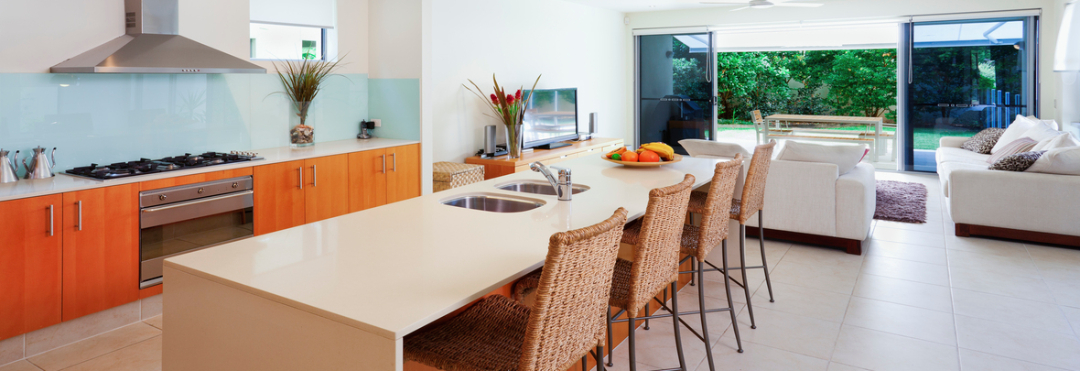
Thinking about updating your semi-detached home to make it more comfortable, modern, or better suited to your lifestyle? You're not alone - semi-detached houses are one of the most popular property types in the UK, and they're often full of renovation potential.
Whether your needs have changed or the property has started to feel dated, a well-planned renovation can improve everyday living, increase energy efficiency, and add long-term value. Before getting started, here's what UK homeowners should consider.
6 practical renovation considerations for updating a semi-detached house
1. Improve the layout to match modern living
Older semi-detached houses often have smaller, separate rooms that can feel restrictive by today's standards. Many homeowners choose to open up ground-floor living areas or extend the kitchen to create a more connected, social space. Projects like rear extensions, loft conversions, or converting underused spaces such as integral garages can maximise usable space without the need to move. The goal is better flow between rooms while keeping the home practical and well-proportioned.
2. Keep the character while adding modern features
One of the real strengths of many semi-detached homes is their traditional character. Fireplaces, decorative mouldings, original staircases, and timber floors add personality and genuine value. Rather than removing these features, many homeowners choose to restore or highlight them. Modern upgrades - new lighting, updated kitchens, or contemporary finishes - can be introduced in ways that complement the home's original style, delivering both charm and the comfort of a modern home.
3. Plan your budget carefully and allow for surprises
Renovation costs can increase once work begins. Issues like damp, outdated wiring, or hidden structural repairs often only become visible during construction. UK homeowners are typically advised to set aside a contingency of 10- 15% above their planned budget. Getting thorough surveys and professional advice before starting reduces financial stress and helps you set realistic expectations for the whole renovation journey.
4. Focus on energy efficiency and comfort
Improving energy efficiency is a common priority in UK home renovations. Better insulation in walls, floors, and lofts, modern double or triple glazing, efficient heating systems, and improved ventilation can make the home noticeably warmer and reduce running costs. These upgrades increasingly improve a property's EPC rating and appeal to future buyers - making them an investment in both comfort and resale value.
5. Enhance the exterior and first impressions
Updating the outside of a semi-detached home can transform its overall feel. Repainting, repairing brickwork, improving the entrance, or adding render or cladding creates a fresher, more modern appearance. Always check planning rules and permitted development rights before making significant external changes, particularly if your property is in a conservation area or Article 4 direction zone.
6. Take time to plan and avoid rushed decisions
Successful renovations almost always involve careful upfront preparation. Choosing designs, materials, and timelines in advance prevents delays and unnecessary costs. Coordinating with designers, builders, and suppliers early makes the whole process smoother. A thoughtful, well-paced approach delivers better results and better value than rushing decisions under time or budget pressure.
Frequently asked questions
Do I need planning permission to extend a semi-detached house in the UK?
Many extensions fall under permitted development rights. However, extensions beyond these limits, or in conservation areas, will need planning permission. Always check with your local planning authority first.
What is the best way to modernise a semi-detached house in the UK?
The most impactful approaches include opening up ground-floor living areas, upgrading insulation and glazing, refreshing the exterior, and updating kitchens and bathrooms while retaining original character features.
How much does it cost to renovate a semi-detached house in the UK?
Cosmetic updates may cost from £10,000–£30,000. Larger projects involving extensions or full refurbishments can range from £50,000 to over £150,000. Always include a 10–15% contingency.
Should I keep original features when renovating a semi-detached house?
In many cases, yes. Fireplaces, mouldings, timber floors, and traditional details add character and value. Restoring rather than removing them, while introducing modern finishes, often delivers the best result.
Plan your update with confidence
At Refresh Renovations UK, our team works with you from early planning through to construction and completion - helping you make confident renovation decisions every step of the way.
Ready to update your semi-detached home? Talk to Refresh Renovations UK →
Related reading:
→ How to Budget for a Home Renovation in the UK
→ Renovation vs Extension: Choosing the Right Option
→ Improving Natural Light in UK Homes
Read Next
.jpg)
%20(1).jpg)

All Refresh Renovations franchises are independently owned and operated.
Processing...

Talk to a renovation consultant today
If you would like to find out how Refresh Renovations can support you with a high quality, efficient home renovation, get in touch today. Your local Refresh Renovations consultant will be happy to meet with you for a free, no obligations consultation.