
Get a FREE digital
copy of Renovate Handbook!
Just sign up to our newsletter and we'll send it your way.
Get Renovate HandbookRenovation vs Extension: Choosing the Right Option
Not sure whether to renovate your existing space or add an extension? This guide explains the key differences, costs, and considerations to help UK homeowners decide which option best suits their home and lifestyle.
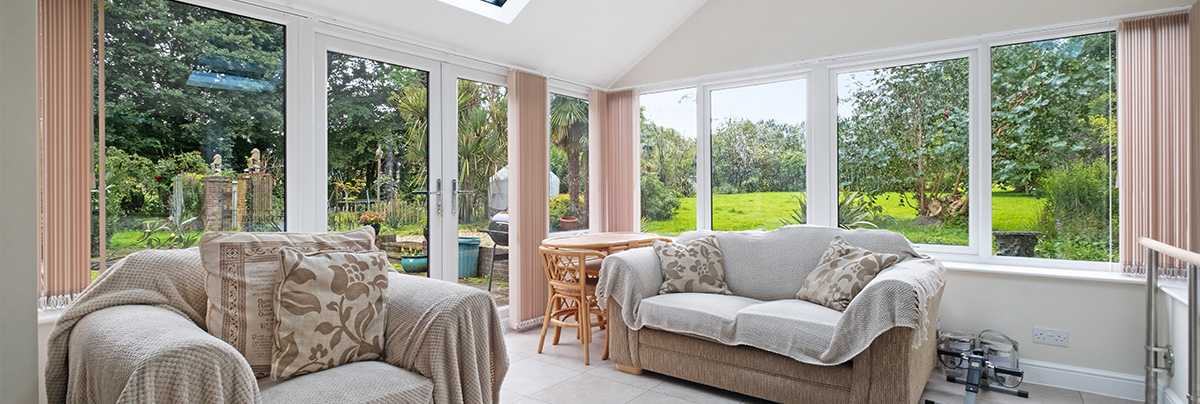
Are you thinking about changing your home but are not sure whether to work with the space you already have or add more? And if you could clearly understand the pros and cons of renovating vs extending before you spend any money, would you say yes to that? Many homeowners in the UK reach a point where their home no longer fits their life. Maybe the layout feels wrong, you need more storage, or your family has simply outgrown the space. At that stage, you usually have two main options: renovate your existing rooms to make them work better, or extend your home to create more space.
Let’s walk through renovation vs extension in simple terms, so you can decide which path is more practical, affordable, and suitable for your home and long-term plans.
How to decide between renovating and extending?
Choosing between a renovation and an extension is really about what problem you’re trying to solve, and which option fixes it best for your home, budget, and long-term plans.
- Start with the real problem you’re trying to fix
Before you pick a solution, be clear on the problem:
- Do you actually need more rooms, or does the layout just feel awkward?
- Is the house too small, or is the space you already have poorly used?
- Are you mainly unhappy with how it looks or how it works?
If the main issues are layout, storage, or outdated finishes, a renovation might be enough. If you truly don’t have enough bedrooms, bathrooms, or living space, an extension may be the better option.
- Look at how well you’re using your current space
Walk through your home and ask:
- Are there rooms you barely use (e.g., formal dining, the unused second lounge)?
- Could walls be removed or moved to open things up?
- Could you convert a loft, garage, or box room into useful living space?
If you have underused rooms or “dead zones”, renovating and reconfiguring can unlock a lot of value without changing the footprint. If every corner is already working hard and still feels cramped, extending might be more sensible.
- Consider your plot size and planning constraints
Your site will sometimes decide for you:
- If you have a small garden or tight boundaries, you may not want (or be allowed) to lose outdoor space with a ground-floor extension.
- If you have a good outdoor space and plenty of room at the back or side, an extension may be easy to accommodate.
- Local planning rules, conservation areas, and permitted development limits will all influence what you can build.
If your plot is tight or heavily controlled, a renovation or loft conversion may be more realistic than a large extension.
- Think about cost and value, not just size
Extending almost always costs more than a simple internal renovation, because you’re building new walls, foundations, roof, and sometimes services. Renovation can often:
- Give you a more modern, open layout using your existing shell.
- Update kitchens, bathrooms, and finishes at a lower cost than adding an area.
However, an extension can:
- Add square metres, extra bedrooms and bathrooms, things buyers value highly.
- Significantly improve resale potential in areas where larger homes are in demand.
Ask yourself:
- Will spending this money make my home feel transformed, or just slightly better?
- In my area, do bigger, extended homes get a strong price uplift?
- Disruption and how you’ll live during the work
Renovations and extensions both cause disruption, but in different ways:
- Renovation only:
- Often shorter timelines, though it depends on the scope.
- Work is usually focused inside – dust, noise, some rooms out of action.
- You may be able to live on-site more easily if work is staged.
- Extension (especially larger ones):
- Longer builds, with more trades on site.
- Garden will be affected (access, materials, skips).
- There may be a point where you have a large opening into the existing house while it’s being connected.
If you need to stay living in the house throughout and disruption is a big concern, a well-planned renovation might be kinder than a major extension.
Choose the change that truly fits your home
At Refresh Renovations UK, we help you explore all of these options before you commit. We look at how you live now, what your property and planning rules allow, and what makes sense for your budget and long-term plans. Then we put together a clear design and fixed-scope plan, whether that means renovating, extending, or combining the two. If you’re unsure whether a home extension or renovation is right for you, get in touch with Refresh UK.
We’ll help you compare your options in simple terms and move forward with a solution that genuinely suits your home and your future.
Read Next


All Refresh Renovations franchises are independently owned and operated.
Processing...

Talk to a renovation consultant today
If you would like to find out how Refresh Renovations can support you with a high quality, efficient home renovation, get in touch today. Your local Refresh Renovations consultant will be happy to meet with you for a free, no obligations consultation.