
Get a FREE digital
copy of Renovate Handbook!
Just sign up to our newsletter and we'll send it your way.
Get Renovate HandbookRenovating Homes with Low Ceilings
Low ceilings don't have to mean a cramped room. Here are 10 ways to make a low-ceiling space feel brighter, taller, and more open.
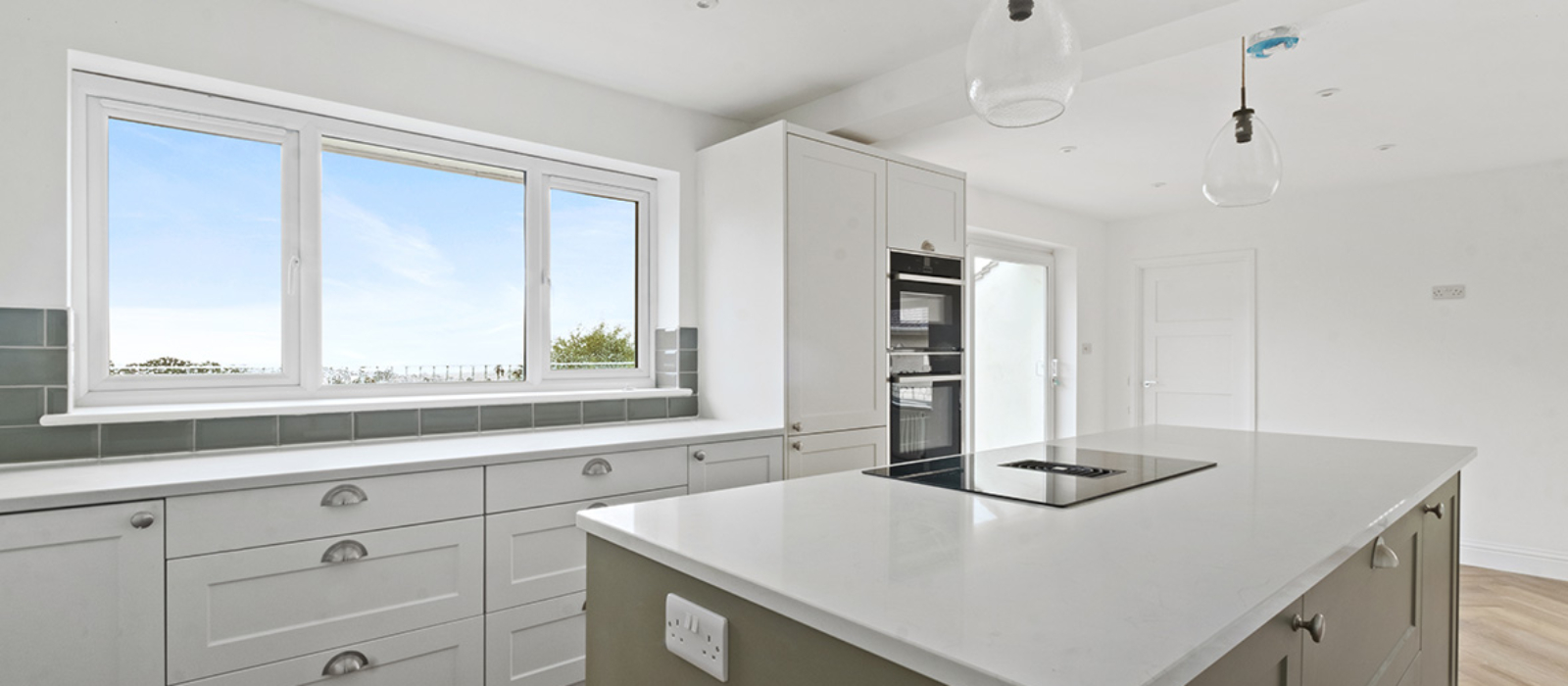
Do some rooms in your home feel smaller or darker because of low ceilings? Are you wondering if a renovation can make these spaces feel more open and comfortable? If you said "Yes!", you're not alone, since many older homes in the UK have lower ceiling heights than modern properties. While low ceilings can sometimes make rooms feel enclosed, the right renovation strategies can help create a greater sense of space, improve natural light, and make interiors feel more inviting.
The good news is that you do not always need major structural changes to achieve noticeable improvements. Let's explore practical renovation ideas for homes with low ceilings and how UK homeowners can make their spaces feel larger, brighter, and more comfortable.
10 Ways To Renovate Homes with Low Ceilings
Low ceilings can make a room feel small, dark, and closed in, which is common in many older UK homes, cottages, period properties, and some converted spaces. Here are simple renovation and design choices that can help the space feel brighter and more comfortable.
1. Bring in More Natural Light
Natural light can make a low-ceiling room feel more open, since if the room is dark, the ceiling may feel even lower. Adding more light can help the space feel larger and more welcoming, by using larger windows where possible, adding roof-lights or skylights, installing glazed doors, or using internal glass doors. Even small changes can make a big difference to how the room feels.
2. Use Light Colours
Light colours help rooms feel bigger and brighter, since soft whites, warm neutrals, pale greys, and light creams can reflect more light around the room. For low ceilings, it often helps to paint the ceiling in a lighter shade than the walls, which draws the eye upward and makes the ceiling feel less heavy. Dark colours can still work in some rooms, but they need to be used carefully.
3. Choose the Right Lighting
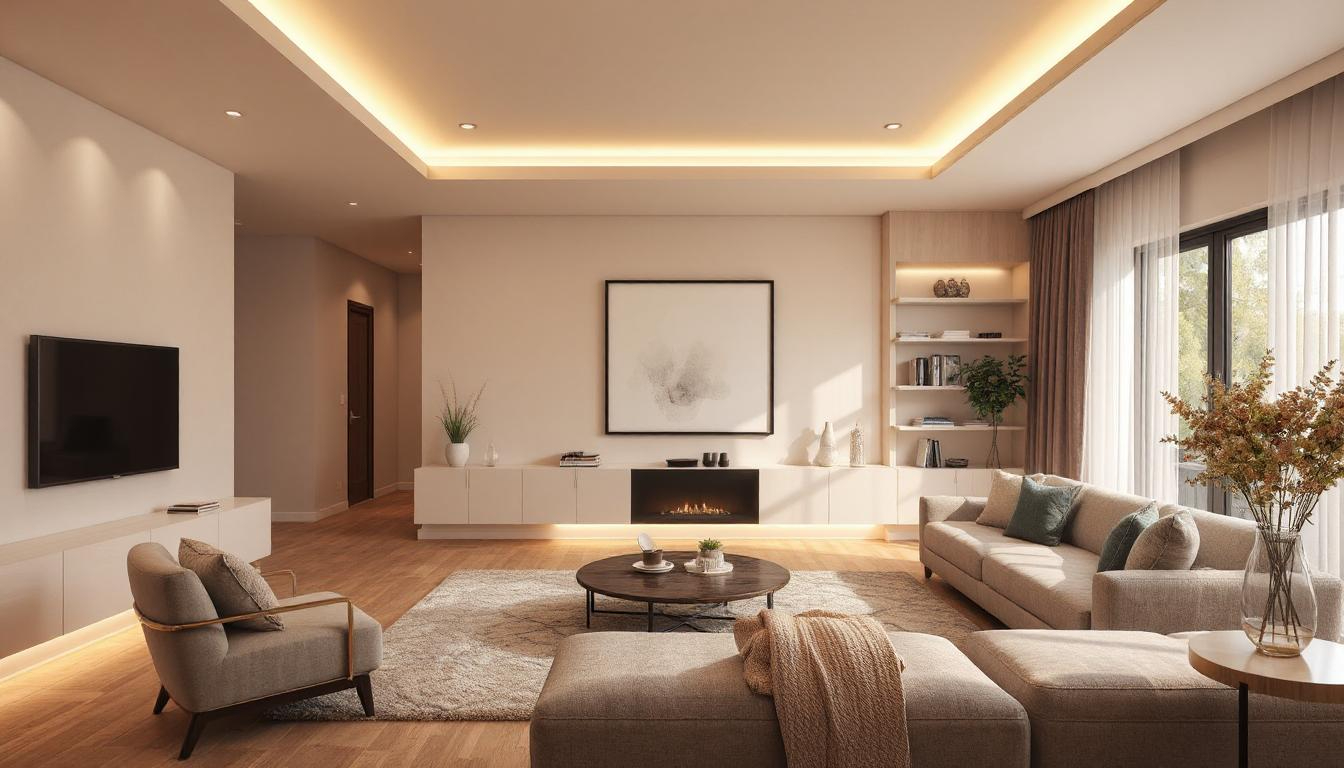
Large pendant lights can make a low ceiling feel even lower, so instead, use lighting that sits close to the ceiling or spreads light upwards. Good options include flush ceiling lights, wall lights, recessed lights, uplighting, and lamps, with wall lights and uplighting especially useful for brightening walls and ceilings, making the room feel taller and more open.
4. Remove Unnecessary Dropped Ceilings
Some homes have lower ceilings due to past renovations, which may have been added to hide wiring, pipes, old lighting, or services. If they are no longer needed, removing them may help create more height, though this should be properly checked before work begins, as wiring, insulation, or plumbing may need to be moved.
5. Consider Vaulted Ceilings
In some top-floor rooms, it may be possible to create a vaulted ceiling, which follows the roofline rather than remaining flat, making the room feel much taller and more spacious. However, this is a bigger renovation job that may involve structural work, insulation changes, and professional planning.
6. Use Vertical Design Features
Vertical design helps draw the eye upward, which can make the ceiling feel higher than it really is. Simple ideas include floor-to-ceiling curtains, tall shelves, vertical wall panels, tall mirrors, and full-height storage, all of which create a sense of height without changing the actual ceiling height.
7. Choose Lower Furniture
Large, bulky furniture can make a low-ceiling room feel crowded, while lower furniture creates more space between the furniture and ceiling, making the room feel more open. For example, choose lower sofas, lower beds, slim tables, and simple storage pieces, since less clutter also helps the space feel larger.
8. Use Mirrors
Mirrors are a simple way to make rooms feel brighter and bigger, since they reflect light and create a sense of depth. Placing a mirror opposite a window can help spread natural light across the room, and large mirrors can also make walls feel longer and the space feel less closed in.
9. Improve Flow Between Rooms
Sometimes a room feels small because it feels too closed off, so improving the connection between rooms can help the home feel more open. This may include widening doorways, using glazed internal doors, creating open-plan areas, or improving movement between rooms, since better flow helps the eye travel further, which makes the space feel larger.
10. Focus on the Overall Feel
You may not always need to raise the ceiling, since in many homes, the better option is to improve how the room feels. Better light, lighter colours, smart furniture, good lighting, and vertical design can all work together to make a low-ceiling room feel more comfortable without major structural work.
So, while low ceilings can present design challenges, the right renovation approach can make a significant difference to how a room looks and feels.
Frequently Asked Questions
Is it worth removing a dropped ceiling to gain height? Often yes, if it's no longer serving a purpose such as hiding old wiring or pipework, but it needs checking properly first since services may still be running through the void.
Do vaulted ceilings work in every roof space? No, they depend on the roof structure and available height, and often involve structural changes and reworking insulation, so it's worth getting a professional assessment before planning one.
What's the single most effective change for a low-ceiling room? Improving natural light tends to make the biggest visible difference, whether through larger windows, roof-lights, or glazed doors, since a brighter room reads as more spacious regardless of actual ceiling height.
Can paint colour alone make a real difference to a low ceiling? Yes, to a meaningful degree. Painting the ceiling a lighter shade than the walls, and keeping the overall palette light, genuinely helps a room feel taller without any structural work.
Should I avoid large furniture entirely in a low-ceiling room? Not entirely, but choosing lower-profile pieces (sofas, beds, storage) leaves more visible space between the furniture and the ceiling, which reads as more open than bulkier furniture in the same room.
Make the Most of Every Inch of Space
A home doesn't need major structural work to feel brighter and more open, since light, colour, furniture choice, and clever design can transform how a low-ceiling room feels day to day. The Refresh Renovations team in the UK understands how to work with period properties and older housing stock to create spaces that feel taller and more comfortable. Get in touch for a free consultation with your local Renovation Consultant.
Related Articles and Projects
Read Next


All Refresh Renovations franchises are independently owned and operated.
Processing...

Talk to a renovation consultant today
If you would like to find out how Refresh Renovations can support you with a high quality, efficient home renovation, get in touch today. Your local Refresh Renovations consultant will be happy to meet with you for a free, no obligations consultation.