
Get a FREE digital
copy of Renovate Handbook!
Just sign up to our newsletter and we'll send it your way.
Get Renovate HandbookMoisture Control and Damp Prevention
Small damp problems rarely stay small. Here's how UK homeowners can control moisture before it damages walls, timber, and air quality.
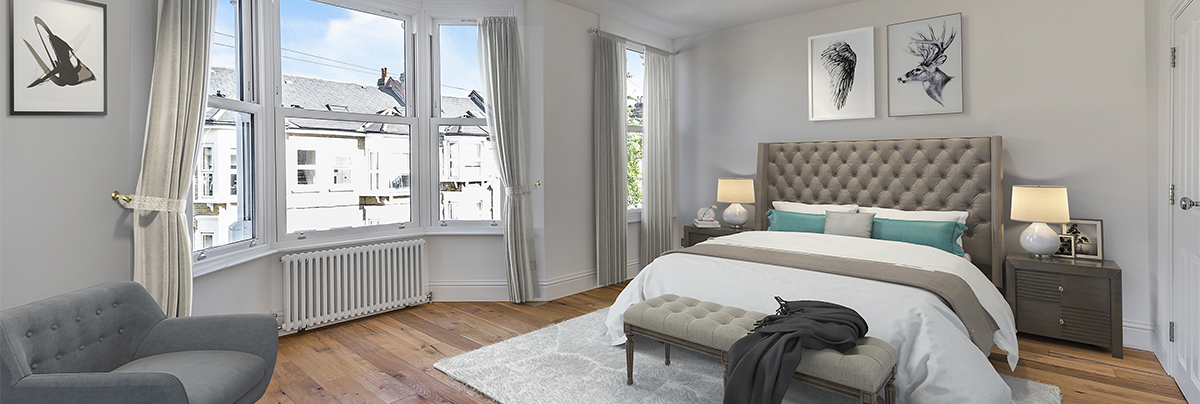
Have you noticed condensation on windows, mould on walls, or damp smells inside your home? Are you worried that moisture problems could slowly damage your property over time? If you answered yes, you're not alone, since moisture and damp problems are very common in many UK homes, especially older properties. While small signs of damp may seem harmless at first, ongoing moisture can lead to mould growth, damaged walls, rotting timber, poor indoor air quality, and expensive structural repairs later.
The good news is that many moisture problems can be reduced or prevented with the right renovation planning, ventilation, insulation, and maintenance approach. Let's explore practical ways to improve moisture control and damp prevention and what UK homeowners should consider when renovating or improving their homes.
Practical Ways to Control Moisture and Prevent Damp in UK Homes
Moisture and damp problems are very common in UK homes, especially during colder months and rainy weather, so here are some simple and practical ways to improve moisture control and reduce damp problems in your home.
Improve Airflow Around the Home
Poor ventilation is one of the biggest reasons damp and condensation develop inside homes. Everyday activities such as cooking, showering, drying clothes indoors, and cleaning all release moisture into the air, and if this moisture can't escape properly, it settles on cold walls, windows, and ceilings, which over time can lead to mould growth and damp patches. Opening windows daily, using extractor fans, keeping vents open, and allowing air to move between rooms all help remove moisture before it becomes a bigger problem.
Keep the Home Warm Consistently
Cold homes are much more likely to develop condensation and damp, since when warm air touches cold surfaces, moisture turns into water droplets, which is why windows and walls often become wet during winter. Keeping a more consistent indoor temperature can help reduce this problem, and instead of turning the heating completely off for long periods, it's usually better to maintain a steady level of warmth throughout the home. Even moderate heating can help reduce moisture buildup on walls and windows.
Use Extractor Fans Properly
Bathrooms and kitchens create large amounts of steam very quickly, and without proper ventilation, this moisture spreads through the home and increases the risk of damp and mould. Extractor fans should always be used while cooking, during showers, and for several minutes afterwards, and it also helps to keep bathroom doors closed while showering so steam doesn't spread into other rooms. Removing moisture early is one of the easiest ways to prevent condensation problems.
Be Careful When Drying Clothes Indoors
Drying clothes inside can release a surprising amount of moisture into the air, and without ventilation, that moisture settles on windows, walls, and ceilings. Where possible, dry clothes outside, use a tumble dryer with ventilation, open windows slightly when drying indoors, or keep doors closed to stop moisture spreading. This simple habit can help reduce damp problems significantly.
Improve Insulation the Right Way
Good insulation helps homes stay warmer and reduces cold surfaces where condensation forms, and older UK homes often have cold walls, poor insulation, draughts, and uneven temperatures. Improving insulation can make the home more comfortable while helping reduce moisture problems, though damp issues should always be fixed before installing insulation, since adding insulation over existing damp areas can sometimes trap moisture and make the problem worse.
Leave Space Around Furniture
Large furniture placed directly against walls can block airflow and trap moisture behind it, which is especially common on colder external walls. Over time, hidden mould and damp patches may appear behind wardrobes, sofas, cabinets, and beds, so leaving a small gap between furniture and walls allows air to circulate properly and helps prevent hidden moisture buildup.
Check for Leaks Regularly
Not all damp problems come from condensation, since leaks and water entering the property can also cause serious moisture damage. Homeowners should regularly inspect roofs, gutters, pipes, window seals, and drainage areas, since even small leaks can slowly cause major problems if ignored for too long. Fixing leaks early is usually much cheaper than repairing larger structural damage later.
So, controlling moisture isn't only about stopping mould from appearing. It's about protecting the comfort, health, and long-term condition of your home.
Frequently Asked Questions
1. What's the difference between condensation and rising damp? Condensation forms when warm, moist air meets a cold surface and is usually linked to poor ventilation, while rising damp is caused by groundwater moving up through walls, typically because a damp-proof course has failed. The treatment approach is quite different for each, so it's worth identifying which one you're dealing with before starting repairs.
2. Can I add insulation to a home that already has damp problems? It's best to fix the underlying damp issue first, since sealing over an existing moisture problem with insulation can trap the moisture inside the wall and make the damage worse over time.
3. How often should extractor fans be run after showering or cooking? Running them for at least ten to fifteen minutes after the activity finishes helps clear the excess moisture from the air, rather than switching them off the moment you leave the room.
4. Is it worth leaving heating on low overnight during winter? Many UK renovation guides suggest maintaining a steady background temperature rather than letting the home fully cool down and then reheating it, since consistent warmth reduces the temperature swings that cause condensation on cold surfaces.
5. When should I call in a professional for damp issues? If damp keeps returning despite ventilation and heating changes, or if you notice structural signs such as soft plaster, rotting timber, or persistent mould, it's worth getting a proper assessment rather than continuing to treat the surface symptoms.
Prevent Small Damp Problems from Becoming Bigger Repairs
Many moisture issues start quietly, since a little condensation, a small leak, or poor airflow may not seem serious at first, but over time these problems can slowly damage walls, timber, insulation, and indoor air quality. The Refresh Renovations team in the UK can help identify the cause of damp in your home and plan renovation work that improves ventilation, insulation, and moisture control together, rather than treating each issue separately. Get in touch for a free consultation with your local Renovation Consultant.
Related Articles and Projects
Read Next


All Refresh Renovations franchises are independently owned and operated.
Processing...

Talk to a renovation consultant today
If you would like to find out how Refresh Renovations can support you with a high quality, efficient home renovation, get in touch today. Your local Refresh Renovations consultant will be happy to meet with you for a free, no obligations consultation.