
Get a FREE digital
copy of Renovate Handbook!
Just sign up to our newsletter and we'll send it your way.
Get Renovate HandbookImproving Thermal Comfort in Period Homes
Period charm and warm comfort aren't opposites. Here's how to improve thermal comfort in a UK period home without losing its character.
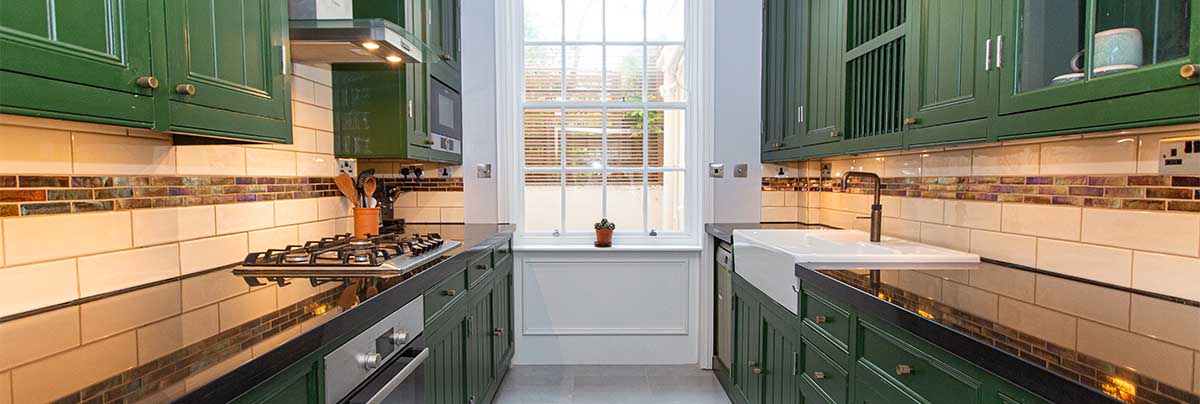
Do you love the character of your period home but struggle to keep it warm? Do some rooms feel cold, draughty, or expensive to heat during the colder months? If you answered yes, improving thermal comfort should be a key part of your renovation planning. Many period homes in the UK were built before modern insulation, glazing, and heating standards, which means they often lose heat quickly, have uneven temperatures, and need more energy to stay comfortable.
The good news is that you can improve warmth and comfort without removing the charm that makes your home special. Let's explore practical ways to improve thermal comfort in period homes while preserving their original character.
Practical Ways to Improve Thermal Comfort in Period Homes
Period homes often have beautiful details and strong character, but many were built before modern insulation, glazing, and heating standards existed, so they can feel cold, draughty, and expensive to heat. The aim isn't to remove the home's original charm. The aim is to make careful upgrades that improve comfort while protecting the features that make the property special.
Reduce Draughts First
Draughts are one of the main reasons period homes feel cold, and small gaps around windows, doors, floorboards, fireplaces, and chimneys can allow warm air to escape and cold air to enter. This can make the heating work harder without making the home feel properly warm, so draught-proofing is often a simple first step, and sealing gaps, repairing window frames, adding door seals, and using suitable chimney solutions can help reduce heat loss while keeping the home's original features.
Improve Loft Insulation
Heat naturally rises, so an uninsulated or poorly insulated roof can lose a lot of warmth, and in many period homes, improving loft insulation can make a noticeable difference. Good loft insulation helps keep warm air inside for longer and can also make upper rooms feel more comfortable during winter, though ventilation in the roof space must still be maintained to prevent moisture from becoming trapped.
Upgrade Windows Carefully
Original windows are often an important part of a period home's appearance, so replacing them completely may not always be suitable, especially in listed buildings or conservation areas. Instead, homeowners can look at gentler improvements such as draught-proofing, repairing timber frames, improving seals, or adding secondary glazing, which can improve warmth while keeping the original window style intact.
Balance Insulation with Ventilation
Insulation helps keep heat inside, but older homes still need proper airflow, and if a home becomes too sealed, moisture can build up indoors, which can lead to condensation, damp patches, and mould. Any insulation upgrade should be planned with ventilation in mind, so the goal is to reduce uncontrolled draughts while still allowing healthy airflow through proper ventilation systems.
Fix Damp Problems Early
Damp walls and floors can make a home feel colder, and moisture also reduces the performance of insulation while damaging plaster, timber, paint, and finishes. Before adding insulation or new finishes, it's important to find the cause of damp, which may include leaking gutters, poor drainage, roof issues, or condensation. Fixing damp early helps protect the building and prevents expensive repair work later.
Improve Heating Efficiency
Many period homes have heating systems that don't distribute warmth evenly, so some rooms may heat quickly while others stay cold for hours. Improving heating efficiency may include upgrading radiators, balancing the system, adding smart controls, or creating heating zones, and these changes help homeowners heat the right areas at the right times, improving comfort without wasting energy.
Insulate Floors Where Possible
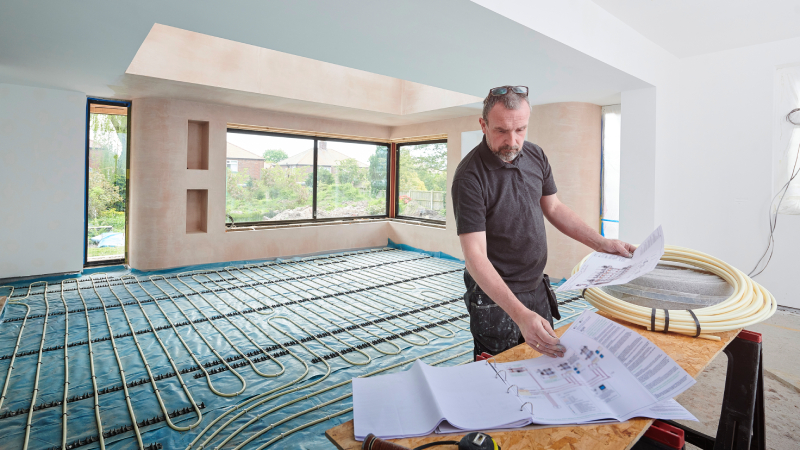
Cold floors can make a room feel uncomfortable even when the heating is on, and many period homes have suspended timber floors, which can allow cold air to move underneath. Floor insulation can help reduce heat loss and improve comfort at ground level, and it can also reduce draughts coming through floorboards, though it must be installed carefully so the floor structure still has enough ventilation to avoid moisture problems.
Use Materials That Suit Older Homes
Period homes often use traditional materials like brick, timber, stone, and lime plaster, and these materials often need to breathe and release moisture naturally. Using unsuitable modern materials can trap moisture inside walls or floors, which can create damp problems later, so renovation work should use materials suited to the property's age and structure, especially for walls, insulation, plaster, and finishes.
So, improving thermal comfort in a period home is rarely about one single upgrade. The best results usually come from a combination of improvements that work together to make the home warmer without compromising the character that makes it worth living in.
Frequently Asked Questions
1. Is secondary glazing a good alternative to replacing original windows? Yes, particularly for listed buildings or conservation areas where replacing the original windows isn't an option. Secondary glazing can noticeably improve warmth and reduce draughts while keeping the original window style intact.
2. Should I insulate before or after fixing damp problems? Damp should always be addressed first, since insulating over an existing moisture problem can trap that moisture inside the wall or floor and make the damage worse over time.
3. Why do some rooms in a period home stay cold even with the heating on? This is often down to uneven heat distribution, poor insulation in that specific area, or a draughty window or door nearby. Balancing the heating system and addressing the room's specific draught sources usually helps more than simply turning the heating up.
4. Can I insulate a suspended timber floor without causing moisture problems? Yes, but it needs to be done carefully, since the underfloor space still needs adequate ventilation. This is a job worth discussing with a renovation professional experienced in period properties.
5. Do heritage rules limit what insulation upgrades I can make? They can, particularly for listed buildings, where visible changes to windows, walls, and rooflines may need approval. Internal insulation improvements are often more flexible, but it's worth checking your property's specific heritage status before planning major work.
Improve Comfort Without Losing Character
The best results usually come from a combination of improvements that work together to make the home warmer without compromising the character that makes it worth living in, and getting that balance right is exactly where experienced guidance helps most. The Refresh Renovations team in the UK understands how to improve thermal comfort in period properties while protecting the features that give them their charm. Get in touch for a free consultation with your local Renovation Consultant.
Related Articles and Projects
Read Next
%20(1).jpg)

All Refresh Renovations franchises are independently owned and operated.
Processing...

Talk to a renovation consultant today
If you would like to find out how Refresh Renovations can support you with a high quality, efficient home renovation, get in touch today. Your local Refresh Renovations consultant will be happy to meet with you for a free, no obligations consultation.