
Get a FREE digital
copy of Renovate Handbook!
Just sign up to our newsletter and we'll send it your way.
Get Renovate HandbookWhole-House Energy Monitoring and Self-Sufficiency Upgrades
How to use a UK renovation to understand your home's energy use and plan monitoring, solar, battery storage and efficiency upgrades that work as one system.

Most homeowners only see their energy use when the bill arrives, and by then it's too late to change anything. A renovation is a good opportunity to look beyond new layouts and finishes and think about how your home generates, stores and uses electricity. If walls are already open, wiring is being changed or the roof is being worked on, adding energy monitoring, solar panels, battery storage and smarter controls is usually far simpler and less disruptive than retrofitting them later.
The goal doesn't have to be complete energy independence. Even a few well-planned upgrades can help you understand your electricity use and make better use of the energy your home produces. Here's how to make energy upgrades part of your renovation.
Start by understanding your energy use
Before adding new technology, find out where your electricity is going. Whole-house energy monitoring shows when your household uses the most power and how consumption changes through the day, and some systems can also track individual circuits or high-use appliances. Monitoring is particularly easy to add when you're already upgrading the consumer unit, rewiring or making other electrical changes.
Consider solar as part of the wider project
If you're replacing or altering the roof, adding an extension or carrying out major external work, it's worth considering whether solar panels should be planned at the same time. Available roof space, orientation, shading and the condition of the roof all affect what's practical. It's also worth thinking beyond how much electricity the panels could generate and looking at when your household actually uses power, since that shapes how much of the solar energy you'll use yourself.
Store electricity for later
Solar panels often generate electricity when nobody is home to use it, which is where a home battery becomes useful. A battery stores surplus solar electricity during the day so you can use it in the evening, and some systems can also charge from the grid, which on a suitable tariff may let you store electricity when prices are lower and use it later.
Plan the battery location early
Don't leave the battery's position until the renovation is almost finished. Different systems have different installation requirements, and suitable locations might include a garage, utility area or external wall. Deciding early gives your electrician and installer time to plan cabling, equipment placement and how the battery connects to the rest of the electrical system.
Think about future technology
Solar and batteries may not be the only electrical upgrades you make. Your home could later include an electric vehicle charger, a heat pump, smart hot water controls or other equipment. Even if you aren't installing everything now, allowing spare capacity and planning cable routes during the renovation can be much easier than opening things up again later.
Use monitoring to change when you use energy
Generating electricity is only half the picture. Monitoring helps you see when you use it, so if your panels produce surplus power in the middle of the day you may be able to run certain appliances or charging at that time. On a time-of-use tariff, a battery and other smart technology can also help shift some use away from more expensive periods.
Reduce demand before chasing self-sufficiency
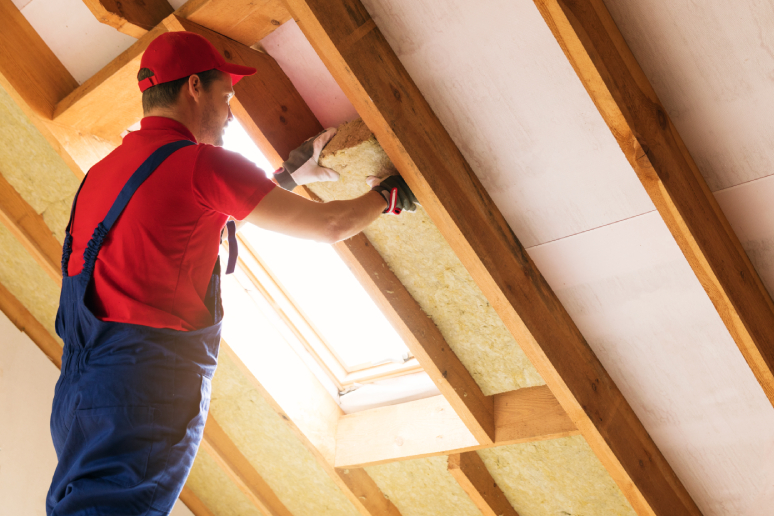
A more self-sufficient home isn't only about producing and storing more electricity. It also depends on how much energy the property needs in the first place, so insulation, draught-proofing, efficient heating, suitable glazing and better controls belong in the same plan. The less energy your home wastes, the further the electricity you generate and store will go.
Plan everything as one system
The right combination depends on your property, household and budget. One home may benefit most from solar and battery storage, while another will get more immediate value from improving insulation and heating first. Start with what you want to achieve, then look at how monitoring, efficiency improvements, generation and storage can work together, building a practical path towards greater energy independence rather than expecting your home to become self-sufficient overnight.
Frequently asked questions
What is whole-house energy monitoring?
It is a system that tracks your home's electricity use over time, showing when you use the most power. Some systems can also monitor individual circuits or appliances.
Is a renovation a good time to add solar panels?
It can be, especially if you're already working on the roof, adding an extension or carrying out major external work. Roof space, orientation, shading and roof condition all affect whether solar is practical.
Do I need a battery if I have solar panels?
Not necessarily, but a battery lets you store surplus solar electricity generated during the day and use it later, which can increase how much of your own generation you use.
Where should a home battery be installed?
It depends on the system. Garages, utility areas and external walls are common options, and the location should be planned early with your electrician and installer.
Should I improve insulation before adding solar and batteries?
Reducing demand first often makes sense, because insulation, draught-proofing and efficient heating mean the energy you generate and store goes further. The best order depends on your home and budget.
Plan your home for smarter energy use
Greater energy independence doesn't have to happen all at once. A renovation gives you the chance to improve efficiency now while preparing your home for solar, battery storage, monitoring and the other technology you may want to add over time. At Refresh Renovations, we can help you plan these improvements as part of your wider renovation. Get in touch with our team to talk about your project.
Related articles
Read Next


All Refresh Renovations franchises are independently owned and operated.
Processing...

Talk to a renovation consultant today
If you would like to find out how Refresh Renovations can support you with a high quality, efficient home renovation, get in touch today. Your local Refresh Renovations consultant will be happy to meet with you for a free, no obligations consultation.